
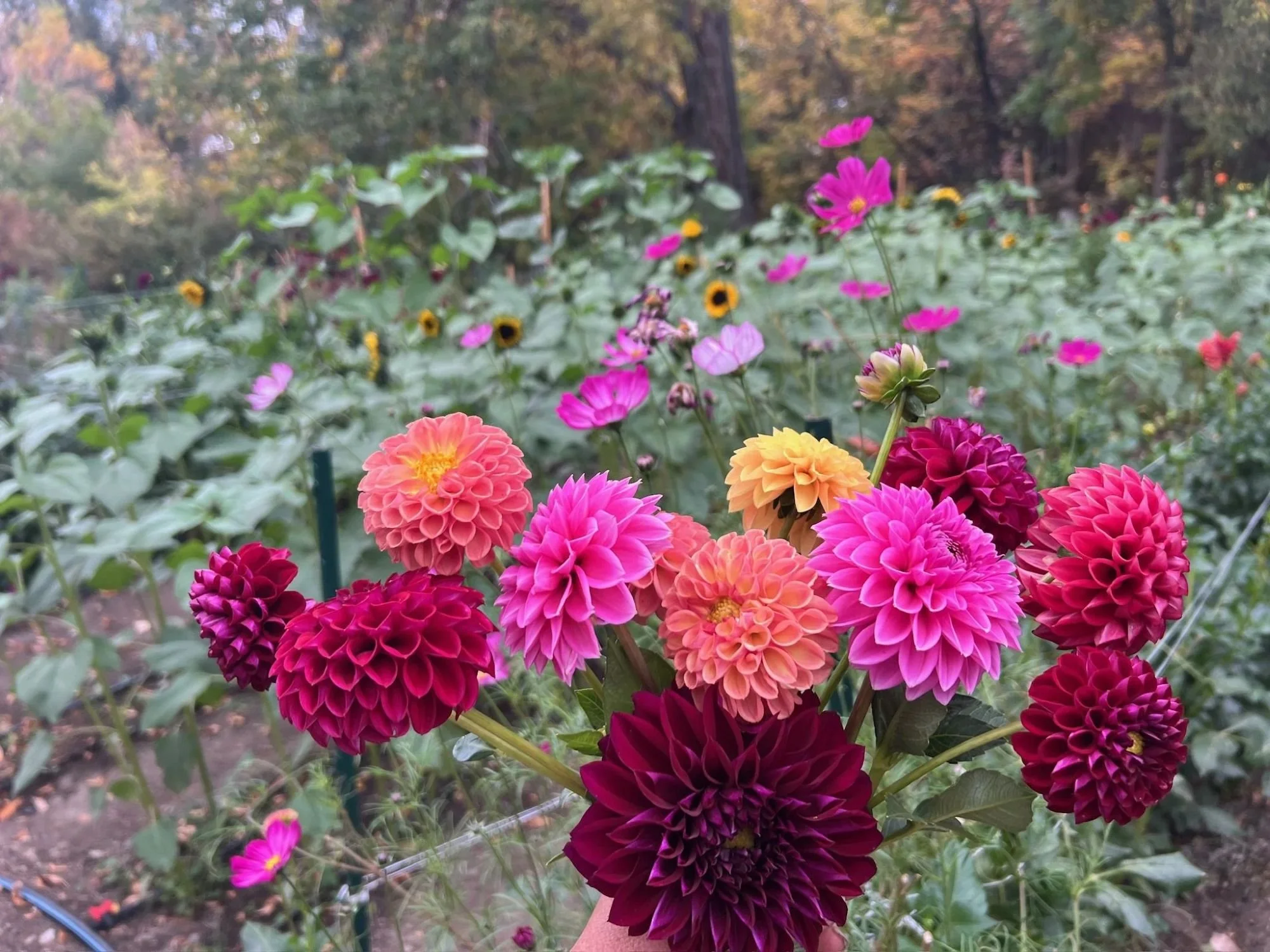
How to Plant Dahlia Tubers
In this guide, we’ll walk through when to plant, how deep to place tubers, proper watering, and how to set your dahlias up for strong summer blooms.
-
Dahlias are warm-season growers, so tubers should be planted in spring once the danger of frost has passed and the soil has warmed up.
A simple way to time your planting:
• plant outdoors when nighttime temperatures stay above freezing
• soil should feel warm — around 60°F is ideal
• in cooler climates, you can start tubers indoors 2–4 weeks early for a head startChecking your local “last frost date” is the easiest way to know when it’s safe to plant.
-
Dahlias love sunshine and grow best in a spot that feels warm and bright throughout the day. Look for an area that gets at least 6–8 hours of direct sun — this is what fuels their big, beautiful blooms.
They also appreciate well-draining soil, since tubers don’t like to sit in water. If your soil is heavy or tends to stay wet, mixing in compost or planting in a raised bed can make a big difference.
A little wind protection is helpful, especially for tall varieties. Near a fence, hedge, or sturdier plants is perfect — enough shelter without blocking the light.
-
Dahlias grow best in soil that feels loose, rich, and easy for roots to move through. You don’t need anything complicated — just aim for:
• soft, well-aerated soil
• a few handfuls of compost or aged organic matter mixed in
• no large rocks or dense clumps that block root growthGood soil helps dahlias settle in, build strong roots, and get off to a healthy start.
-
Follow these easy steps to get your tubers off to a strong start:
1. Dig a hole
Aim for a depth of about 4–6 inches, giving the tuber enough room to settle in.2. Place the tuber
Lay it horizontally with the eye (or sprout) facing up. If you don’t see a clear eye yet, don’t worry — it often appears after planting.3. Cover with soil
Gently refill the hole without packing the soil too tightly.4. Give plants room
Space tubers 18–24 inches apart to allow for airflow and healthy growth.5. Skip watering at first
Wait until sprouts appear. Watering too early can lead to rot.6. Add a stake
Many dahlias grow tall, and staking at planting time gives them steady support throughout the season. -
Dahlias appreciate steady moisture, but they don’t like soggy soil. Once your plants sprout, water them deeply 2–3 times per week, adjusting based on heat and rainfall. During hot spells, you may need to water a little more often.
A layer of mulch helps keep the soil cool, holds moisture, and reduces weeds — all things dahlias love.
For feeding, choose a balanced or low-nitrogen fertilizer (like 5-10-10) every 3–4 weeks. Too much nitrogen encourages leafy growth instead of blooms, so light and consistent feeding is best.
-
Dahlias are generally easy to grow, but a few pests and issues can pop up during the season. Catching them early helps keep your plants happy and blooming.
• Aphids — Look for clusters on new growth. Rinse them off with water or use insecticidal soap.
• Slugs & snails — These love tender shoots. Barriers, traps, or hand-picking at dusk can help protect young plants.
• Powdery mildew — A white, powdery coating on leaves. Improve airflow and avoid overhead watering.A quick weekly check-in with your plants goes a long way in preventing small issues from becoming bigger ones.
-
A few simple habits will keep your dahlias blooming beautifully all season long.
• Deadhead regularly — Removing spent blooms encourages the plant to keep producing new flowers.
• Pinch early — When plants reach about 12 inches tall, pinch the top to help them branch out and bloom more.
• Support tall varieties — Tie stems loosely to stakes as they grow to prevent bending or breakage.These small steps help your dahlias stay healthy, full, and vibrant from midsummer through fall.
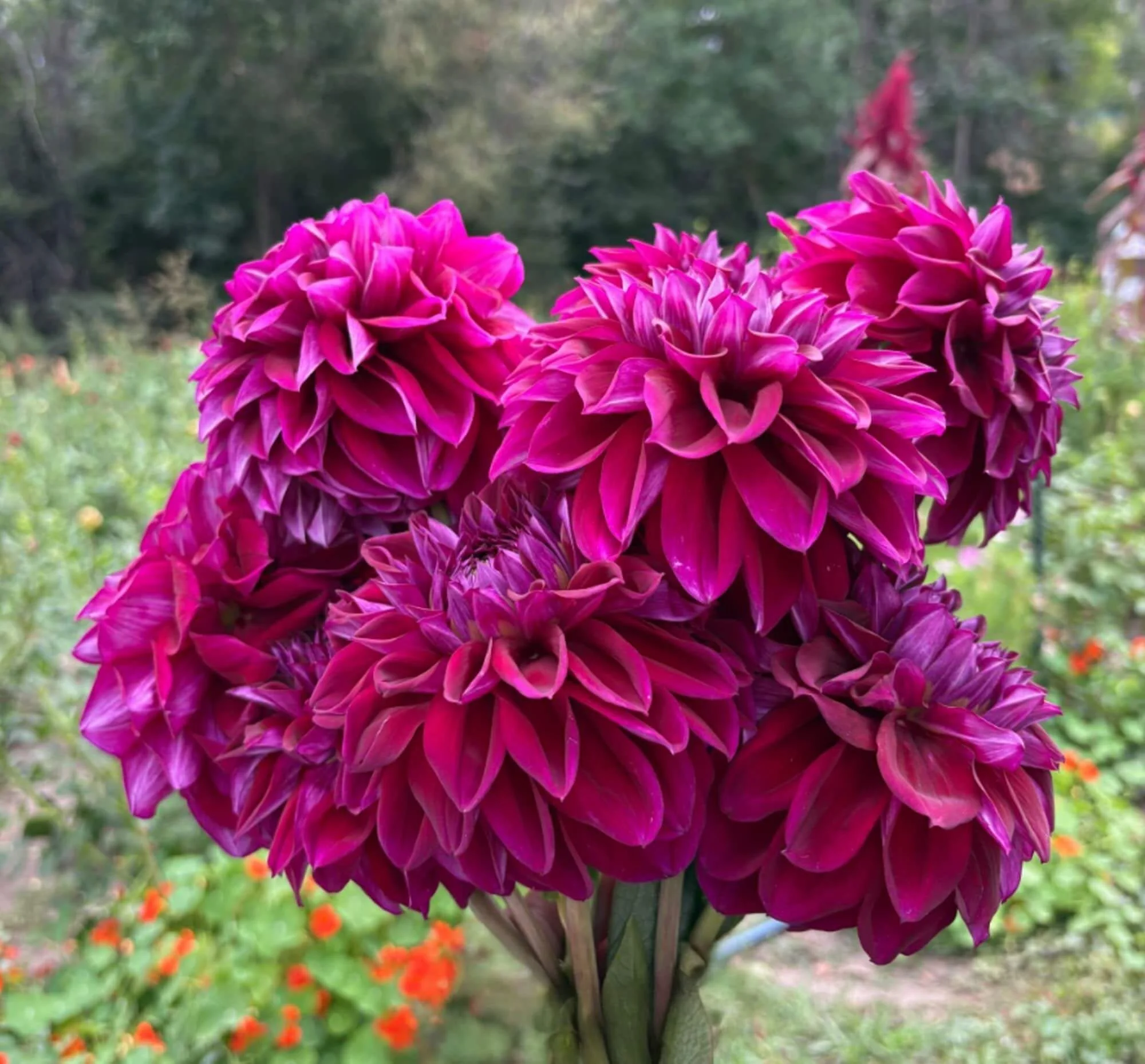
We hope this guide helps you feel confident and excited as you plant.
Our farm-grown Dahlia Tubers are offered in limited batches each season. If you’d like to hear when they’re ready, feel free to sign up for our newsletter — we love keeping our garden community in the loop.
Happy growing, friends. We’re cheering on your garden every step of the way.
Enjoy your blooms!